
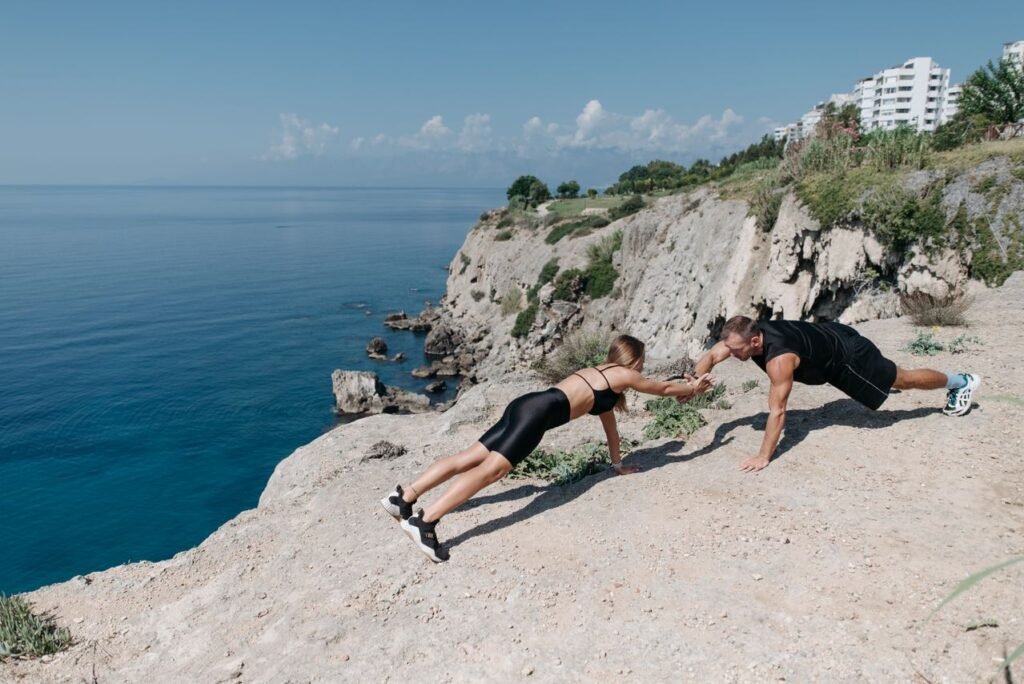
Fitness Challenges: Fun and Effective Ways to Stay Active
Staying active is one of the most important things you can do for your physical and mental well-being. However, following the same workout routine every day can sometimes become boring or difficult to maintain. This is where fitness challenges can make a difference.
A fitness challenge gives you a simple goal to work toward over a specific period. Whether you want to walk more, improve your strength, build a workout habit, or simply become more active, a challenge can add structure and motivation to your routine.
The best part? You don’t need to be an experienced athlete to participate. Many fitness challenges can be adapted to your current fitness level.
What Is a Fitness Challenge?
A fitness challenge is a short-term goal designed to encourage regular physical activity and healthier habits. It can last for a week, 30 days, or even longer.
Some challenges focus on exercise, while others combine movement with nutrition, hydration, sleep, or recovery.
Examples include:
- 30-day walking challenge
- Daily push-up challenge
- 10-minute workout challenge
- Daily stretching challenge
- Squat challenge
- Step-count challenge
- Plank challenge
- Healthy hydration challenge
- Morning workout challenge
- Consistent sleep challenge
The goal isn’t necessarily to do more exercise than everyone else. Instead, a challenge should help you become more consistent and gradually improve your habits.
Why Try a Fitness Challenge?
Fitness challenges can make exercise feel more engaging and achievable. Having a specific target can also make it easier to track your progress.
1. They Create a Clear Goal
“Exercise more” is a good intention, but it isn’t very specific.
A goal such as “walk for 30 minutes five days a week” gives you something measurable to work toward.
2. They Encourage Consistency
Small amounts of activity performed regularly can help you develop a sustainable exercise routine. A challenge can encourage you to make movement part of your daily schedule.
3. They Can Make Exercise More Fun
Turning exercise into a challenge can add variety and a sense of achievement. You can even invite friends or family members to participate.
4. They Help You Track Progress
Tracking workouts, steps, repetitions, or active minutes allows you to see how consistently you’re moving.
Progress isn’t always about dramatic physical changes. Completing workouts more consistently or finding everyday activities easier can also be meaningful progress.
5. They Can Build Healthy Habits
A short challenge can be a starting point for a long-term lifestyle change. Once a healthy behavior becomes part of your routine, you may find it easier to continue after the challenge ends.
10 Fitness Challenges You Can Try
1. 30-Day Walking Challenge
Walking is one of the simplest ways to increase your daily physical activity.
Start with a realistic target based on your current activity level. You could begin with 15–20 minutes of walking and gradually increase the duration.
For an extra challenge, try walking outdoors, taking the stairs, or adding a short walk after meals.
2. Daily Squat Challenge
Squats work several muscles in the lower body and can be performed without equipment.
Start with a comfortable number of repetitions and gradually increase them over time.
Focus on controlled movement and good form rather than simply trying to complete as many repetitions as possible.
3. Plank Challenge
Planks are a simple bodyweight exercise that challenges your core muscles.
Instead of holding a plank for an unnecessarily long time, start with a duration you can perform with good technique. Gradually increase the time as your strength improves.
If a traditional plank is too difficult, try a modified version.
4. 10-Minute Workout Challenge
Don’t have an hour to exercise? Try a 10-minute workout.
You can combine simple movements such as:
- Bodyweight squats
- Marching in place
- Glute bridges
- Wall push-ups
- Step-ups
- Gentle lunges
A short workout can be easier to fit into a busy schedule and may help you stay consistent.
5. Daily Stretching Challenge
Spend 5–10 minutes stretching each day.
You could focus on major muscle groups, particularly areas that feel tight after sitting or working for long periods.
Keep stretches comfortable and avoid forcing a movement into pain.
6. Step-Count Challenge
Create a daily step goal that is realistic for you.
If you’re currently taking around 4,000 steps a day, for example, you could gradually increase your activity rather than immediately aiming for a much higher number.
Try adding movement throughout the day by:
- Taking short walking breaks
- Walking while talking on the phone
- Using stairs when appropriate
- Taking a short evening walk
- Parking farther away when practical
7. Push-Up Challenge
Push-ups can help develop upper-body and core strength.
Beginners can start with wall push-ups or incline push-ups before progressing toward floor push-ups.
The goal should be gradual improvement in strength and technique rather than competing with someone else’s repetition count.
8. Morning Movement Challenge
Start your day with 5–15 minutes of movement.
This could include walking, mobility exercises, stretching, yoga, or a short bodyweight workout.
A simple morning routine can help establish a consistent habit.
9. Active Break Challenge
If you spend much of your day sitting, challenge yourself to take regular movement breaks.
Stand up, walk around, stretch, or perform a few light movements during breaks from prolonged sitting.
Even small opportunities to move can add up throughout the day.
10. 30-Day Consistency Challenge
Instead of focusing on one specific exercise, make consistency the goal.
For 30 days, commit to doing some form of physical activity each day. The activity could be a workout, walk, stretching session, cycling, swimming, or another activity you enjoy.
The objective is to create a routine that you can realistically maintain.
How to Choose the Right Fitness Challenge
The best challenge is one that matches your current fitness level, schedule, and interests.
Before starting, consider:
Your Current Fitness Level
Choose activities that are appropriate for your abilities. If you’re new to exercise, start with simple movements and shorter sessions.
Your Schedule
A challenge should fit into your lifestyle. A 10-minute daily challenge may be more sustainable than a demanding one-hour workout if you’re already busy.
Your Goal
Think about what you want to improve.
Do you want to:
- Become more active?
- Improve strength?
- Increase flexibility?
- Build an exercise habit?
- Improve endurance?
- Spend less time sitting?
Choose a challenge that supports that goal.
Your Enjoyment
You’re more likely to continue an activity you actually enjoy. Walking, dancing, cycling, swimming, strength training, and sports can all be effective ways to stay active.
Tips for Completing a Fitness Challenge
Starting a challenge is easy. Staying consistent is where the real work happens.
Here are some practical tips:
Start small: Don’t make your first challenge unnecessarily difficult.
Set realistic targets: Your goal should challenge you without making exercise overwhelming.
Track your progress: Use a notebook, calendar, fitness app, or simple checklist.
Schedule your workouts: Choose a specific time of day for your activity.
Find an accountability partner: Exercising with a friend can make the experience more enjoyable.
Allow recovery: Rest and recovery are important parts of a healthy fitness routine.
Don’t give up after one missed day: Missing a workout doesn’t mean you’ve failed. Simply return to your routine.
Don’t Turn Fitness Into a Competition
Fitness challenges should motivate you—not pressure you into doing more than your body can handle.
Everyone starts from a different fitness level. Comparing your progress with another person’s results can create unrealistic expectations.
Focus on your own improvements.
Maybe you walked for 10 minutes at the beginning of your challenge and can now comfortably walk for 25 minutes. Maybe you can perform more repetitions with better form. These are useful signs of progress.
Listen to Your Body
Exercise can be challenging, but sharp or persistent pain shouldn’t be ignored.
If an exercise causes pain, stop and reassess your technique or choose a suitable alternative. People with existing medical conditions, injuries, or specific health concerns should consider speaking with an appropriate healthcare professional before beginning a new exercise program.
What Happens After the Challenge?
Completing a 7-day or 30-day challenge shouldn’t be the end of your fitness journey.
Instead, use the experience to identify habits you enjoyed and can realistically continue.
For example, after completing a walking challenge, you might continue with three or four walks each week. After a stretching challenge, you might keep a five-minute mobility routine.
The long-term goal is not to constantly chase new challenges. It’s to build a healthy and active lifestyle that you can maintain.
Final Thoughts
Fitness challenges can be a simple and enjoyable way to become more active, establish healthy habits, and stay motivated. You don’t need an extreme workout plan or expensive equipment to get started.
Choose one realistic goal, begin at your current level, track your progress, and give yourself time to improve.
Remember, consistency matters more than perfection. A small amount of activity that you can maintain is often more useful than an ambitious routine that you quickly abandon.
Start with one challenge today—and let it become the foundation for a healthier, more active lifestyle.