
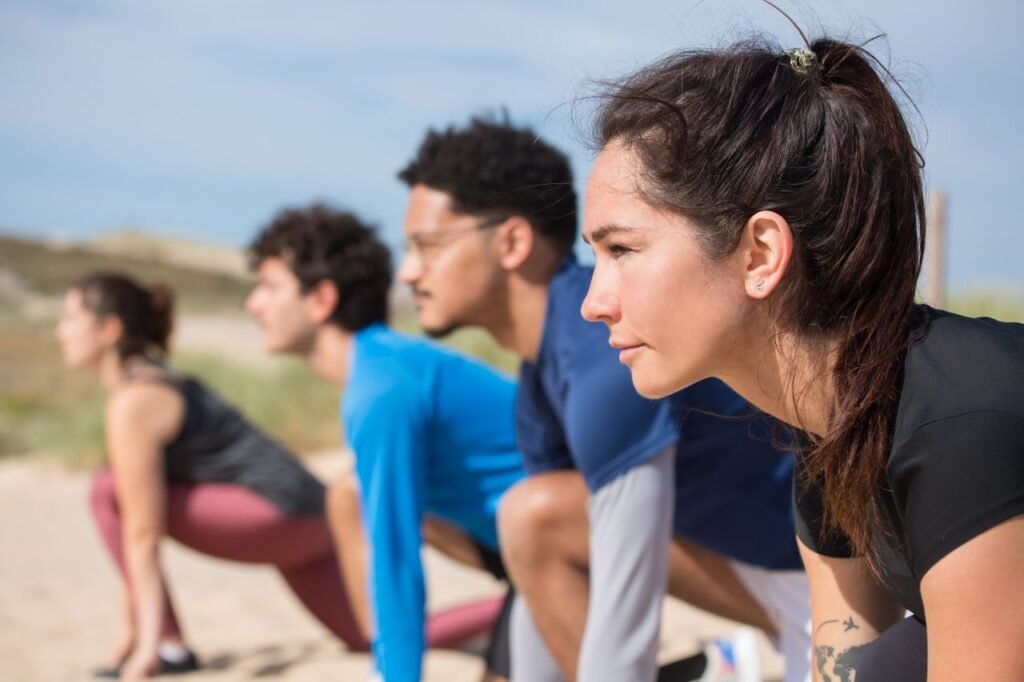
Men’s Fitness and Women’s Fitness: A Complete Guide to Getting Stronger and Healthier
Fitness is for everyone. Whether you’re a man or a woman, the foundations of a healthy and active lifestyle are remarkably similar: regular physical activity, nutritious food, adequate sleep, recovery, and consistency.
At the same time, individual fitness needs can vary because of differences in goals, body composition, hormones, age, training experience, lifestyle, and life stage.
Men’s fitness and women’s fitness shouldn’t be treated as completely separate worlds. Instead, understanding both the similarities and relevant differences can help you create a workout and wellness routine that fits your body and goals.
This guide explores practical fitness strategies for both men and women, including strength training, cardio, nutrition, recovery, common mistakes, and ways to build sustainable habits.
What Does Fitness Mean for Men and Women?
Fitness isn’t simply about appearance or body weight.
A well-rounded fitness routine can help improve:
- Muscular strength
- Cardiovascular fitness
- Mobility and flexibility
- Balance and coordination
- Physical endurance
- Daily energy and function
- Overall physical well-being
Fitness goals can be different from person to person.
One person may want to build muscle, another may want to improve endurance, while someone else may simply want to become more active and feel stronger during everyday activities.
The right approach starts with your individual goal rather than your gender.
Fitness Fundamentals for Everyone
Before looking at men’s and women’s fitness separately, it’s important to understand the principles that apply to almost everyone.
1. Make Strength Training Part of Your Routine
Strength training isn’t only for bodybuilders or athletes.
Resistance exercises can help develop and maintain muscle strength and support physical function as you age.
Exercises can include:
- Squats
- Lunges
- Push-ups
- Rows
- Hip hinges
- Shoulder presses
- Glute bridges
- Resistance-band exercises
- Weight-machine exercises
- Free-weight exercises
Beginners should focus on learning proper technique before progressively increasing resistance.
2. Include Cardiovascular Activity
Cardio can improve cardiovascular fitness and contribute to an active lifestyle.
Examples include:
- Brisk walking
- Jogging
- Cycling
- Swimming
- Dancing
- Hiking
- Sports
- Rowing
You don’t have to choose one type of cardio. Experiment with different activities and find something you enjoy.
3. Prioritize Mobility
Mobility allows you to move your joints through their available ranges of motion.
Include movements that support areas such as the:
- Hips
- Shoulders
- Ankles
- Spine
Mobility work can be particularly useful if you spend long periods sitting or have a routine that involves repetitive movements.
4. Eat a Balanced Diet
Nutrition supports both performance and general health.
A balanced eating pattern can include:
- Vegetables
- Fruits
- Whole grains
- Protein-rich foods
- Beans and legumes
- Nuts and seeds
- Healthy sources of fats
- Dairy or suitable alternatives
Your nutritional requirements depend on factors such as body size, activity level, goals, and overall health.
5. Get Enough Sleep
Training is only one part of fitness. Recovery matters too.
Most adults need approximately 7–9 hours of sleep per night, although individual needs vary.
Good sleep supports recovery, energy, concentration, and overall well-being.
Men’s Fitness: Important Considerations
Men can have different fitness goals, just like women. Some may want to build muscle, increase strength, improve endurance, lose excess body fat, or simply become healthier.
There is no single men’s fitness routine that works for everyone.
Strength and Muscle Building
Men who want to increase muscle size or strength generally benefit from progressive resistance training.
A training program can include movements that target the major muscle groups:
- Chest
- Back
- Shoulders
- Arms
- Legs
- Glutes
- Core
Progressive overload means gradually increasing the challenge over time. This might involve adding resistance, performing more repetitions, improving technique, or increasing training volume.
However, more training isn’t automatically better.
Adequate recovery and nutrition are essential for continued progress.
Don’t Focus Only on Upper-Body Training
One common mistake among beginners is concentrating heavily on the chest, shoulders, and arms while neglecting the lower body.
A balanced program should train the whole body.
Exercises such as squats, lunges, deadlift variations, step-ups, and hip bridges can help develop lower-body strength.
Cardiovascular Fitness Matters Too
Strength isn’t the only component of fitness.
Men who focus primarily on resistance training can still benefit from regular cardiovascular activity.
Walking, cycling, swimming, running, and other cardio activities can complement strength training and support cardiovascular health.
Protein and Muscle Recovery
Protein provides amino acids needed for building and maintaining muscle.
Good protein sources include:
- Eggs
- Fish
- Chicken
- Lean meats
- Milk
- Yogurt
- Beans
- Lentils
- Tofu
- Nuts and seeds
Rather than relying entirely on supplements, aim to build a balanced diet around a variety of whole and minimally processed foods.
Men’s Fitness After 30, 40, and Beyond
Fitness priorities can change with age.
As people get older, maintaining muscle strength, bone health, cardiovascular fitness, mobility, and balance becomes increasingly important.
A well-rounded routine can include resistance training, aerobic activity, mobility exercises, and adequate recovery.
The goal isn’t necessarily to train like you did at 20. The goal is to maintain a level of activity that supports your health and lifestyle.
Women’s Fitness: Important Considerations
Women can benefit from the same core components of fitness: strength training, cardiovascular exercise, mobility, balanced nutrition, sleep, and recovery.
However, certain life stages and physiological factors can influence training needs.
Strength Training for Women
Women sometimes avoid strength training because of the misconception that lifting weights will automatically make them excessively muscular.
In reality, resistance training can support muscle strength, physical function, and bone health.
Women can use:
- Bodyweight exercises
- Resistance bands
- Dumbbells
- Barbells
- Cable machines
- Weight machines
The appropriate resistance depends on the individual’s fitness level and goals.
Lower-Body Strength
Many women enjoy incorporating lower-body exercises into their training.
Useful movements include:
- Squats
- Lunges
- Step-ups
- Hip thrusts
- Glute bridges
- Romanian deadlift variations
- Calf raises
However, a balanced program should also train the upper body and core.
Cardiovascular Fitness
Walking, running, cycling, swimming, dancing, and other aerobic activities can be excellent options for women.
Choose activities based on your fitness level, interests, and goals.
You don’t need to choose between cardio and strength training. A balanced program can include both.
Women’s Nutrition
Women need adequate energy and nutrients to support daily life, exercise, and overall health.
A nutritious diet should provide sufficient:
- Protein
- Carbohydrates
- Healthy fats
- Fiber
- Vitamins
- Minerals
- Fluids
Nutritional needs can change during different life stages, including pregnancy, breastfeeding, and menopause.
If you’re pregnant, breastfeeding, managing a medical condition, or experiencing significant changes in your health, discuss exercise and nutrition with an appropriate healthcare professional.
Fitness During Different Life Stages
Fitness needs aren’t static. They can change throughout life.
Fitness for Young Adults
This can be a good time to establish lifelong habits.
Focus on:
- Learning proper exercise technique
- Building strength
- Developing cardiovascular fitness
- Eating nutritious foods
- Getting adequate sleep
- Avoiding extreme dieting
Fitness During Pregnancy
Pregnancy is different for every person.
For many healthy pregnancies, physical activity can be beneficial, but the appropriate type and intensity of exercise can vary.
Always follow advice from your healthcare professional regarding exercise during pregnancy, particularly if you have complications or specific medical concerns.
Fitness After Pregnancy
Returning to exercise after giving birth should be gradual and individualized.
Recovery time can vary depending on the type of delivery, overall health, complications, and other factors.
Consult your healthcare provider when you’re unsure about when or how to resume exercise.
Fitness During Menopause
Menopause can bring changes in hormones, body composition, sleep, and other aspects of health.
Strength training, weight-bearing activity, cardiovascular exercise, adequate nutrition, and recovery can all be important components of an active lifestyle.
Individual needs vary, so professional guidance can be useful when dealing with specific symptoms or health concerns.
Fitness for Older Adults
As we age, maintaining strength, balance, mobility, and cardiovascular fitness becomes increasingly valuable.
Older adults can benefit from appropriately scaled:
- Strength exercises
- Walking
- Cycling
- Swimming
- Balance exercises
- Mobility work
The goal is to maintain independence and quality of life while staying as active as safely possible.
Men’s Fitness vs Women’s Fitness
While there are physiological differences between men and women, there is significant overlap in effective fitness principles.
| Area | Men | Women |
|---|---|---|
| Strength training | Important for strength and muscle | Important for strength and muscle |
| Cardio | Supports cardiovascular fitness | Supports cardiovascular fitness |
| Mobility | Important for movement | Important for movement |
| Protein | Supports muscle maintenance and recovery | Supports muscle maintenance and recovery |
| Sleep | Important for recovery | Important for recovery |
| Hydration | Important for physical activity | Important for physical activity |
| Recovery | Essential | Essential |
| Consistency | Key to progress | Key to progress |
The important point is that gender does not determine your entire fitness program.
Your goals, experience, preferences, health status, schedule, and fitness level should also influence your routine.
How Much Exercise Do You Need?
For general health, adults are commonly advised to aim for at least 150 minutes of moderate-intensity aerobic activity per week or 75 minutes of vigorous-intensity activity, along with muscle-strengthening activities on at least two days per week.
These are general guidelines rather than a requirement that everyone must follow exactly.
If you’re currently inactive, start with manageable amounts and gradually build your activity level.
More importantly, avoid thinking that anything less than the guideline is pointless. Increasing your activity from your current level can still be a meaningful step.
Common Fitness Mistakes for Men
Training Only for Appearance
Looking better can be a legitimate personal goal, but fitness involves more than appearance.
Include strength, cardio, mobility, and recovery in your routine.
Ignoring Recovery
Constantly pushing harder can make it difficult to recover.
Rest and appropriate training variation are important.
Using Excessive Supplements
Supplements cannot replace a balanced diet, proper training, and adequate sleep.
Be cautious about products promising dramatic results.
Skipping Cardio
Strength and cardiovascular fitness complement each other.
Include some form of aerobic activity that you enjoy.
Common Fitness Mistakes for Women
Avoiding Strength Training
Women can safely benefit from resistance training when it is appropriately designed and performed.
Eating Too Little
Extreme calorie restriction can make it difficult to support training, recovery, and overall health.
Focusing Only on Weight
The number on the scale doesn’t tell the whole story.
Strength, endurance, energy, mobility, and healthy habits are also important measures of progress.
Following Social Media Trends
Fitness advice online can be contradictory.
Look for reliable information and avoid extreme routines or unrealistic promises.
A Balanced Weekly Fitness Plan
Here’s an example of a simple weekly structure for a generally healthy beginner:
| Day | Activity |
|---|---|
| Monday | Full-body strength training |
| Tuesday | 30-minute walk or cardio |
| Wednesday | Mobility and light activity |
| Thursday | Full-body strength training |
| Friday | Cardio or recreational activity |
| Saturday | Walking, sport, or outdoor activity |
| Sunday | Rest and recovery |
This isn’t a prescription. Adjust the frequency, intensity, and exercises according to your current fitness level and individual circumstances.
How to Make Fitness Sustainable
The best fitness routine is one you can continue.
Set realistic goals
Don’t try to transform your entire lifestyle in one week.
Track your progress
Record workouts, repetitions, walking time, strength improvements, or other meaningful measures.
Enjoy your workouts
Choose activities you genuinely like.
Progress gradually
Increase training demands over time instead of constantly pushing to your maximum.
Prioritize recovery
Sleep, nutrition, hydration, and rest are part of the process.
Be consistent
Missing one workout doesn’t ruin your progress. Return to your routine and continue.
Final Thoughts
Men’s fitness and women’s fitness share many of the same foundations. Regular exercise, strength training, cardiovascular activity, balanced nutrition, adequate sleep, and recovery are important for everyone.
At the same time, individual needs can change based on age, goals, training experience, health conditions, pregnancy, menopause, lifestyle, and other factors.
Instead of looking for a completely different fitness rulebook for men and women, focus on creating a program that fits your body, your goals, and your lifestyle.
Start small, learn proper technique, progress gradually, and give yourself time to improve.
Fitness isn’t about becoming someone else. It’s about becoming stronger, healthier, and more capable in your own life.