How Much Protein Do You Really Need? A Beginner’s Guide
Protein is one of the most important nutrients in your diet. It helps your body build and maintain tissues and plays a role in many essential processes.
But with protein shakes, high-protein snacks, and fitness diets everywhere, it can be difficult to know how much protein you actually need.
Do you need a huge amount of protein to build muscle? Is protein powder necessary? How much protein should you eat if you’re trying to lose weight?
The answer depends on factors such as your body size, activity level, age, and goals.
This beginner’s guide explains the basics in simple terms.
What Is Protein?
Protein is a macronutrient made up of smaller compounds called amino acids.
Your body uses amino acids for many functions, including building and maintaining tissues.
Protein comes from a wide variety of foods, including:
- Eggs
- Chicken
- Fish
- Meat
- Milk and yogurt
- Beans
- Lentils
- Chickpeas
- Soy foods
- Nuts and seeds
A balanced diet can provide protein from both animal and plant sources.
Why Does Your Body Need Protein?
Protein has several important roles in the body.
1. Muscle Maintenance
Your muscles contain a significant amount of protein. Getting enough protein helps provide the amino acids your body needs to maintain muscle tissue.
2. Muscle Growth
If you’re doing resistance training, your body needs adequate protein to support muscle-building and repair processes.
However, eating more protein alone won’t automatically build muscle. Training, adequate energy intake, recovery, and overall nutrition also matter.
3. Tissue Maintenance
Your body continually builds and replaces tissues. Protein provides amino acids needed for these processes.
4. Satiety
Protein-containing foods can be filling, which may make them useful when building meals designed to keep you satisfied.
How Much Protein Do You Need?
For healthy adults, the standard Recommended Dietary Allowance is approximately:
0.8 grams of protein per kilogram of body weight per day.
This is a general reference value, not a universal target for every person. Nutrient recommendations can vary depending on individual circumstances.
Example
If you weigh 70 kg:
70 × 0.8 = 56 grams of protein per day
So around 56 grams per day is the basic reference level for a healthy 70-kg adult.
But people who exercise regularly may have higher protein needs.
Protein Needs for Active People
People who participate in regular training, particularly resistance training, may need more protein than the basic adult RDA.
The NIH Office of Dietary Supplements notes that athletes may need approximately 1.2–2.0 grams of protein per kilogram of body weight per day, depending on factors such as training and goals.
For example, a 70-kg active person might fall somewhere within:
70 × 1.2 = 84 g
to
70 × 2.0 = 140 g
This doesn’t mean every person who exercises needs 140 grams of protein every day. Your actual needs depend on your training, diet, body size, and individual circumstances.
A Simple Protein Guide
| Person / Goal | General Protein Reference |
|---|---|
| Healthy adult | Around 0.8 g/kg/day |
| Regularly active person | Often higher than 0.8 g/kg/day |
| Athlete / intensive training | Approximately 1.2–2.0 g/kg/day may be appropriate |
| Individual with medical or dietary considerations | Personalized advice may be needed |
These figures are general guidance rather than strict rules.
How to Calculate Your Protein Needs
A simple calculation can give you a starting point.
Step 1: Find your weight in kilograms
If you know your weight in pounds, divide it by approximately 2.2.
For example:
154 lb ÷ 2.2 ≈ 70 kg
Step 2: Multiply by your protein target
For the basic adult reference:
70 kg × 0.8 = 56 g
For an active person using a higher target:
70 kg × 1.2 = 84 g
This gives you an approximate starting point rather than a prescription.
Do You Need More Protein If You Exercise?
Possibly.
Regular resistance training increases the body’s need to adapt to training. Adequate protein can support muscle repair and remodeling.
However, more isn’t automatically better.
If you already consume enough protein, simply adding much larger quantities may not provide additional benefits.
Your overall diet and training program matter too.
Protein and Weight Loss
Protein often gets attention during weight-loss efforts because protein-rich foods can be satisfying and can help you maintain a balanced diet.
If you’re trying to lose weight, don’t focus exclusively on protein.
A healthy weight-management approach can also include:
- Vegetables and fruit
- Whole grains
- Adequate fiber
- Healthy fats
- Appropriate portions
- Regular physical activity
- Adequate sleep
- Sustainable eating habits
Protein should be part of the overall picture rather than the entire diet.
Best High-Protein Foods for Beginners
You don’t need expensive supplements to increase your protein intake.
Eggs
Eggs are a convenient protein source that can be used for breakfast, lunch, or snacks.
Try:
- Boiled eggs
- Scrambled eggs
- Omelets with vegetables
- Eggs with whole-grain toast
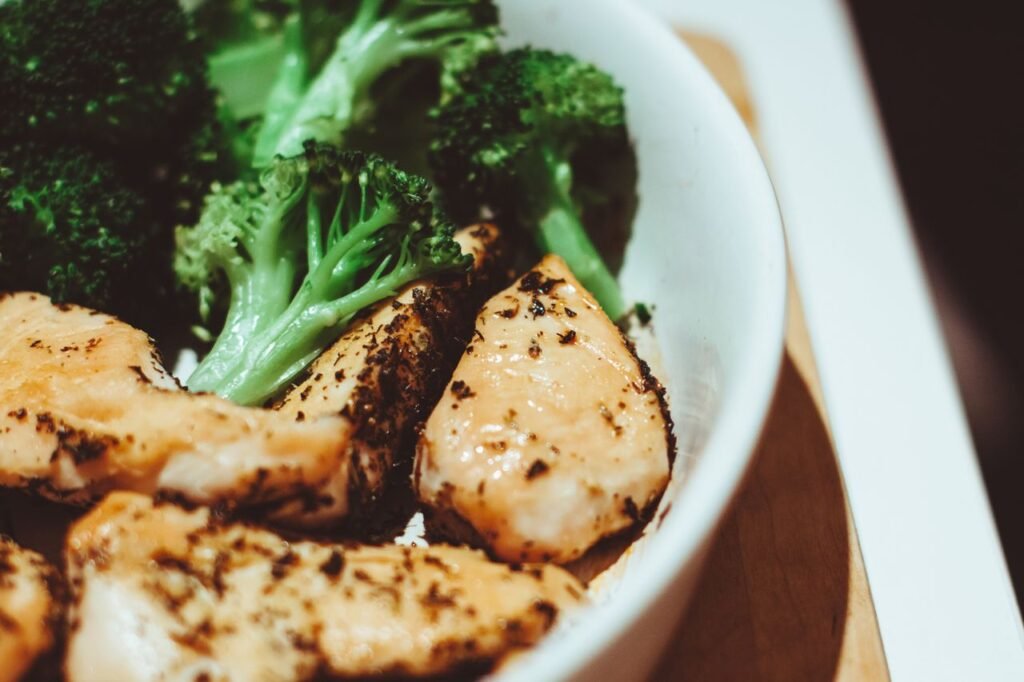
Chicken
Chicken is a versatile source of protein.
You can add it to:
- Rice
- Salads
- Wraps
- Sandwiches
- Soups
Fish
Fish provides protein and can be included as part of a varied diet.
Options include:
- Tuna
- Salmon
- Sardines
- Other locally available fish
Milk and Yogurt
Milk and yogurt can contribute protein while also providing other nutrients.
Greek-style yogurt, where available, can be particularly protein-rich.
Lentils
Lentils are an affordable plant-based protein source and can be especially useful in everyday meals.
Try:
- Daal
- Lentil soup
- Lentil salads
- Lentils with rice
Chickpeas and Beans
Chickpeas and beans can add protein and fiber to meals.
You can use them in:
- Curries
- Salads
- Soups
- Hummus
- Wraps
Soy Foods
Foods such as tofu, tempeh, and soy-based products can provide protein for people following vegetarian or plant-based diets.
Nuts and Seeds
Nuts and seeds contain protein along with fats and other nutrients.
Examples include:
- Almonds
- Peanuts
- Pumpkin seeds
- Sunflower seeds
- Chia seeds
Because nuts and seeds can be energy-dense, portion size can still matter.
Animal vs. Plant Protein
Both animal and plant foods can contribute protein to a healthy diet.
Animal sources such as eggs, dairy, meat, poultry, and fish generally provide all of the essential amino acids your body needs.
Many individual plant proteins have different amino-acid profiles, but eating a varied plant-based diet can provide the essential amino acids you need.
Good plant-based protein sources include:
- Lentils
- Beans
- Chickpeas
- Soy
- Peas
- Nuts
- Seeds
- Whole grains
You don’t need to obsess over combining specific plant proteins at every meal. Variety throughout your overall diet is a practical approach.
How Much Protein Should You Eat Per Meal?
Instead of trying to consume almost all your protein at dinner, spread it across your meals.
For example, someone aiming for approximately 90 grams per day could structure their meals roughly like this:
Breakfast: 25 g
Lunch: 30 g
Dinner: 30 g
Snack: 5 g
This is only an example. Your meals don’t have to contain identical amounts.
The important thing is to build meals around nutritious protein sources rather than trying to consume an enormous amount in one sitting.
Do You Need Protein Powder?
Not necessarily.
Protein powder is a convenient food supplement, but it’s not required for most people to get adequate protein.
You can get protein from foods such as:
- Eggs
- Chicken
- Fish
- Dairy
- Lentils
- Beans
- Chickpeas
- Soy
- Nuts and seeds
Protein powder may be useful when your schedule makes it difficult to get enough protein from regular foods, but it shouldn’t be viewed as a requirement for making progress in the gym.
Common Protein Mistakes
1. Thinking More Is Always Better
More protein isn’t automatically better.
Your needs depend on your body, activity, and goals.
2. Ignoring Other Nutrients
A diet shouldn’t become so focused on protein that you forget about vegetables, fruits, whole grains, healthy fats, and other nutrient-rich foods.
3. Relying Only on Protein Shakes
Protein shakes can be convenient, but whole foods provide a wider range of nutrients.
4. Eating Very Large Portions
A food being high in protein doesn’t mean unlimited portions are appropriate.
Overall energy intake and dietary balance still matter.
5. Expecting Protein Alone to Build Muscle
Muscle development involves more than protein.
A suitable resistance-training program, adequate nutrition, recovery, and consistency all play important roles.
A Simple High-Protein Day
Here’s an example of how protein can be incorporated into everyday meals.
Breakfast
2 eggs + whole-grain toast + yogurt + fruit
Lunch
Chicken + rice + vegetables
Snack
Yogurt + nuts
Dinner
Lentils or fish + vegetables + potatoes or rice
This type of meal pattern provides protein throughout the day without requiring every meal to be a “fitness meal.”
What About Protein During Weight Loss?
When reducing food intake for weight loss, it can be useful to pay attention to protein intake while maintaining a balanced diet.
Rather than dramatically increasing protein, focus on including a reasonable protein source in each main meal.
For example:
Breakfast: Eggs
Lunch: Chicken or lentils
Snack: Yogurt
Dinner: Fish, beans, or lean meat
This makes protein part of a balanced eating pattern.
Is Too Much Protein Bad?
The appropriate amount of protein depends on the individual.
For healthy adults, the Food and Nutrition Board has not established a formal upper intake level for protein. However, that does not mean extremely high protein intake is necessary or beneficial for everyone.
People with kidney disease or certain other medical conditions may need individualized dietary advice.
If you have a medical condition or have been advised to limit protein, speak with a qualified healthcare professional or registered dietitian before significantly increasing your intake.
Frequently Asked Questions
How much protein should a beginner eat?
For a generally healthy adult, the basic reference is around 0.8 g/kg of body weight per day. People who train regularly may need more depending on their activity and goals.
Can I build muscle without protein powder?
Yes. Protein powder is not required to build muscle. You can get protein from foods such as eggs, dairy, chicken, fish, beans, lentils, chickpeas, and soy.
Should I eat protein before or after a workout?
Getting enough protein across the day is more important than obsessing over a very narrow post-workout window. The NIH notes that evidence does not show a special requirement to consume protein within one hour after exercise for increased muscle strength or size.
Is protein good for weight loss?
Protein can be part of a healthy weight-management diet. However, weight management depends on overall dietary intake, physical activity, and other lifestyle factors.
Can vegetarians get enough protein?
Yes. Vegetarian diets can include protein from foods such as lentils, beans, chickpeas, soy foods, dairy, eggs, nuts, seeds, and whole grains.
What happens if I don’t eat enough protein?
Consistently inadequate protein intake can make it harder for the body to meet its needs for maintaining tissues and other functions. People with specific dietary restrictions or health conditions may have different requirements.
Do I need to eat protein at every meal?
You don’t necessarily need protein at every eating occasion, but including a protein-rich food in your main meals can make it easier to meet your daily needs.
Final Thoughts
Protein is important, but you don’t need to make your entire diet revolve around it.
For most beginners, the best approach is simple:
Know your approximate needs, include protein-rich foods regularly, and maintain a balanced diet.
If you’re generally healthy, the basic adult reference of around 0.8 g/kg/day provides a useful starting point. If you exercise regularly, your needs may be higher, with sports nutrition guidance commonly placing athletes around 1.2–2.0 g/kg/day, depending on training and circumstances.
Instead of chasing the highest possible protein intake, focus on building balanced meals with protein, vegetables, fruits, whole grains, and healthy fats.
Protein is important—but it’s only one part of a healthy diet.