
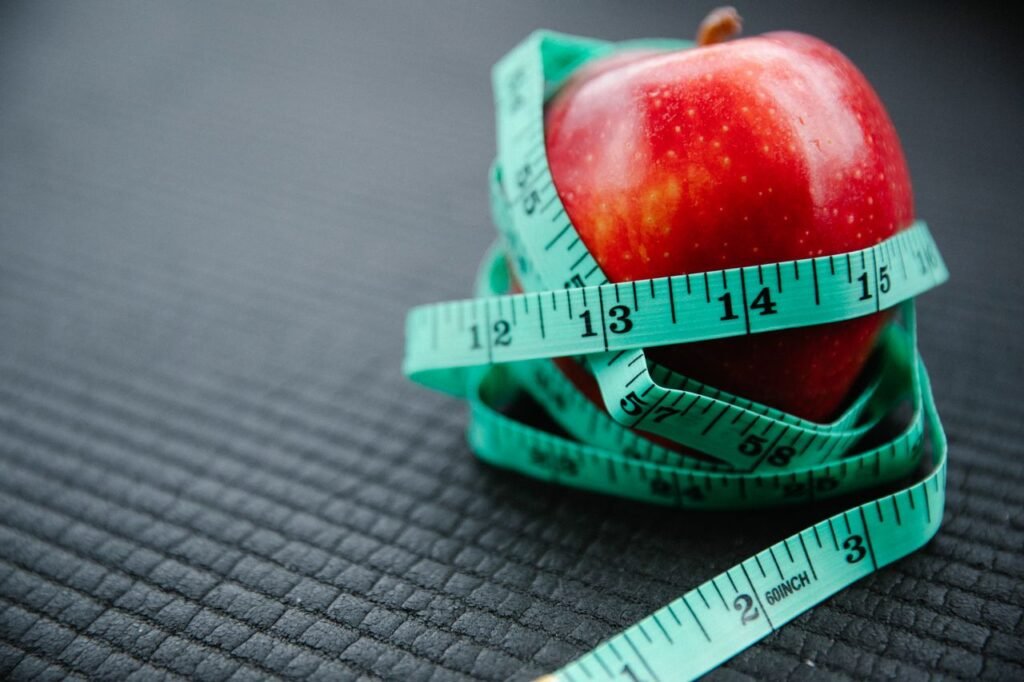
How to Lose Weight in a Healthy and Sustainable Way
Losing weight can seem complicated. There are countless diets, workout programs, supplements, and promises of rapid results. But healthy weight loss doesn’t need to involve extreme restrictions or unrealistic routines.
A sustainable approach focuses on building habits that you can maintain over time. This includes eating nutritious foods, staying physically active, getting enough sleep, managing stress, and creating a realistic calorie deficit when weight loss is appropriate for you.
If you’re wondering how to lose weight in a healthy and sustainable way, this guide explains the basic principles and practical steps you can use to build healthier habits.
Important: Weight management is different for everyone. If you have a medical condition, take medications that affect weight or appetite, are pregnant or breastfeeding, or have a history of disordered eating, consider speaking with a qualified healthcare professional before making major changes to your diet or exercise routine.
What Does Healthy Weight Loss Mean?
Healthy weight loss generally means reducing body weight gradually while maintaining adequate nutrition and supporting overall health.
Rather than trying to lose as much weight as possible in the shortest amount of time, the goal is to create habits that are realistic and maintainable.
A sustainable approach usually involves:
- Eating a balanced diet
- Managing portion sizes
- Getting regular physical activity
- Getting adequate sleep
- Managing stress
- Setting realistic goals
- Monitoring progress without becoming obsessed with the scale
The exact amount of weight someone should lose—and whether weight loss is appropriate at all—depends on individual circumstances.
1. Set a Realistic Goal
Start by identifying why you want to lose weight.
Your goal might be related to:
- Improving general health
- Becoming more physically active
- Supporting healthy blood pressure or blood sugar
- Improving fitness
- Feeling more comfortable during everyday activities
Instead of focusing only on a final number, create smaller goals.
For example:
“I’ll walk for 30 minutes five days a week.”
This is easier to act on than simply saying:
“I want to lose weight.”
Focus on Habits You Can Control
Your body weight can fluctuate for many reasons, and daily scale readings don’t always reflect changes in body fat.
You can control habits such as:
- What foods you regularly choose
- How active you are
- How much you sleep
- How consistently you follow your routine
Focus on these behaviors rather than expecting the scale to move in a perfectly predictable way.
2. Create a Moderate Calorie Deficit
Weight loss generally occurs when the body uses more energy than it receives from food and drinks over time.
This is known as an energy deficit.
However, creating a deficit doesn’t mean you should severely restrict your food intake.
A moderate, sustainable approach is usually easier to maintain than an extreme diet.
You can create a calorie deficit by combining:
- Slightly reducing calorie intake
- Increasing physical activity
- Choosing more filling foods
- Reducing frequent high-calorie snacks and drinks
The appropriate calorie intake varies considerably from person to person.
3. Eat More Nutrient-Dense Foods
Instead of focusing only on what you need to remove from your diet, think about what you can add.
Nutrient-dense foods can provide important vitamins, minerals, fiber, protein, and other nutrients without requiring large amounts of highly processed foods.
Build meals around foods such as:
- Vegetables
- Fruits
- Whole grains
- Beans and lentils
- Eggs
- Fish
- Lean meats
- Nuts and seeds
- Yogurt and other nutritious dairy or alternatives
You don’t have to completely eliminate your favorite foods.
The goal is to create a balanced eating pattern that you can maintain.
4. Pay Attention to Portion Sizes
Even nutritious foods contain calories, and portion sizes can have a significant impact on total energy intake.
Simple strategies include:
- Use appropriate serving sizes
- Eat slowly
- Avoid eating directly from large packages
- Pay attention to hunger and fullness
- Use smaller plates if that helps you manage portions
You don’t need to measure every meal forever. Learning what reasonable portions look like can be enough for many people.
5. Increase Protein Intake Through Foods
Protein can help support muscle maintenance and can contribute to feelings of fullness.
Good protein sources include:
- Eggs
- Chicken
- Fish
- Beans
- Lentils
- Greek yogurt
- Cottage cheese
- Tofu
- Nuts and seeds
Your individual protein needs depend on factors such as body size, age, activity level, and health.
If you’re unsure about your nutritional needs, a registered dietitian or qualified healthcare professional can provide personalized guidance.
6. Eat More Fiber-Rich Foods
Fiber can help make meals more filling and supports digestive health.
Good sources include:
- Vegetables
- Fruits
- Beans
- Lentils
- Oats
- Whole grains
- Nuts
- Seeds
Instead of suddenly increasing fiber dramatically, increase it gradually and make sure you’re drinking enough fluids.
7. Reduce Liquid Calories
Drinks can sometimes contribute a significant amount of calories without making you feel as full as solid food.
Examples include:
- Sugary soft drinks
- Sweetened coffee drinks
- Energy drinks
- Some fruit drinks
- Highly sweetened beverages
Water is a simple everyday choice.
You don’t have to eliminate every flavored drink, but reducing frequent consumption of high-calorie beverages can make it easier to manage overall calorie intake.
8. Don’t Completely Ban Your Favorite Foods
One of the problems with extremely restrictive diets is that they can be difficult to maintain.
You don’t necessarily need to eliminate:
- Pizza
- Desserts
- Chocolate
- Burgers
- Restaurant meals
Instead, consider how frequently you eat them and how they fit into your overall eating pattern.
A sustainable diet can include foods you enjoy.
9. Exercise Regularly
Physical activity supports overall health and can help with weight management.
A balanced routine can include both cardiovascular activity and strength training.
Examples of cardio include:
- Walking
- Cycling
- Swimming
- Jogging
- Dancing
Strength training can include:
- Squats
- Push-ups
- Lunges
- Resistance bands
- Free weights
- Weight machines
Start at a level appropriate for your current fitness and gradually increase activity.
10. Walk More
Walking is one of the simplest ways to increase daily physical activity.
You can add more walking by:
- Taking short walks during breaks
- Walking after meals
- Taking the stairs when practical
- Walking while talking on the phone
- Parking farther away when appropriate
- Going for an evening walk
You don’t need to complete all your physical activity in one workout.
Small amounts of movement throughout the day can add up.
11. Get Enough Sleep
Sleep is an important part of overall health.
Poor sleep can affect energy, mood, appetite, and daily activity.
Try to:
- Maintain a consistent sleep schedule
- Create a relaxing bedtime routine
- Reduce unnecessary screen use before bed
- Keep your bedroom comfortable
- Aim for adequate sleep each night
The amount of sleep needed varies by age and individual circumstances.
12. Manage Stress
Stress can affect eating habits and activity levels.
Some people may respond to stress by eating more, while others may lose their appetite.
Healthy ways to manage stress can include:
- Walking
- Exercise
- Spending time with friends and family
- Relaxation exercises
- Hobbies
- Journaling
- Time outdoors
- Speaking with a mental health professional when appropriate
Weight management should not come at the expense of your overall mental well-being.
13. Track Your Habits
Tracking can help you understand your routine.
You could record:
- Meals
- Snacks
- Water intake
- Exercise
- Steps
- Sleep
- Body weight
You don’t need to track everything.
Choose one or two things that provide useful information without making you feel overwhelmed.
Don’t Obsess Over Daily Weight
Body weight can fluctuate from day to day because of factors such as:
- Fluid retention
- Food intake
- Sodium intake
- Hormonal changes
- Exercise
- Digestive contents
Looking at longer-term trends can provide more useful information than focusing on one day’s measurement.
14. Make Small Changes
You don’t need to completely transform your lifestyle overnight.
Try changing one or two habits at a time.
For example:
Week 1: Replace sugary drinks with water more often.
Week 2: Add a 20-minute walk.
Week 3: Add vegetables to one additional meal each day.
Week 4: Introduce two strength-training sessions.
Small changes can become long-term habits.
15. Avoid Extreme Diets
Very restrictive diets may promise rapid weight loss, but they can be difficult to sustain and may not provide adequate nutrition.
Be cautious about plans that promise:
- Extremely rapid weight loss
- “Detox” effects
- Spot reduction
- Fat burning without lifestyle changes
- Unlimited food with guaranteed weight loss
- Results without exercise or dietary changes
A healthy approach should support your nutritional needs and overall well-being.
16. Don’t Rely on Weight-Loss Supplements
Weight-loss supplements are often marketed with strong claims, but products can vary considerably in safety and effectiveness.
Some supplements may interact with medications or contain ingredients that aren’t appropriate for everyone.
Rather than relying on supplements, focus on foundational habits such as nutrition, physical activity, sleep, and sustainable eating patterns.
Speak with a qualified healthcare professional before using a supplement specifically for weight management.
17. Plan Your Meals
Planning can reduce the number of food decisions you have to make when you’re hungry.
Try planning:
- Breakfast
- Lunch
- Dinner
- Healthy snacks
Keep convenient nutritious foods available at home.
For example:
- Fruit
- Yogurt
- Eggs
- Vegetables
- Whole-grain foods
- Beans
- Nuts
Meal planning doesn’t need to mean eating the same food every day.
18. Learn to Read Food Labels
Food labels can help you understand what you’re eating.
Pay attention to:
- Serving size
- Calories
- Protein
- Fiber
- Added sugars
- Saturated fat
- Sodium
Remember that a package may contain multiple servings.
Understanding serving sizes can make it easier to compare different foods.
19. Expect Setbacks
Almost everyone experiences days when their routine doesn’t go according to plan.
You might:
- Eat more than intended
- Miss a workout
- Have a restaurant meal
- Skip meal preparation
One difficult day doesn’t erase your progress.
Instead of thinking:
“I’ve ruined my diet.”
try:
“That didn’t go as planned. I’ll return to my routine at the next opportunity.”
Consistency over time matters more than perfection.
20. Build a Sustainable Lifestyle
The most important question isn’t:
“How quickly can I lose weight?”
A better question is:
“Can I maintain these habits for months and years?”
If your diet requires you to constantly feel hungry, avoid all your favorite foods, or follow rules that don’t fit your lifestyle, it may be difficult to maintain.
A sustainable approach should fit your:
- Schedule
- Food preferences
- Budget
- Culture
- Activity level
- Social life
- Health needs
A Simple Healthy Weight-Loss Routine
Here’s an example of a balanced day:
Morning
- Balanced breakfast
- Water
- Short walk or other physical activity if practical
Afternoon
- Nutritious lunch
- Regular movement breaks
- Water
Evening
- Balanced dinner
- 20–30 minute walk or planned workout
- Relaxation
- Consistent bedtime routine
This is only an example. Your routine should be adapted to your individual needs.
How Long Does Healthy Weight Loss Take?
There is no universal timeline.
Weight loss can vary depending on:
- Starting body weight
- Food intake
- Physical activity
- Genetics
- Age
- Sleep
- Medications
- Health conditions
- Lifestyle
You may also experience periods where your weight stays relatively stable.
Instead of expecting a perfectly straight downward line, focus on sustainable habits and longer-term trends.
Frequently Asked Questions
What is the healthiest way to lose weight?
A healthy approach generally combines balanced nutrition, appropriate calorie intake, regular physical activity, adequate sleep, and sustainable habits. Individual needs vary.
Can I lose weight without exercising?
Weight loss is primarily influenced by energy balance, so it is possible to lose weight through dietary changes. However, physical activity provides important health benefits and can support weight management and fitness.
Do I have to stop eating carbohydrates?
No. Carbohydrates can be part of a balanced diet. The quality and quantity of carbohydrate foods matter, and whole grains, fruits, vegetables, and legumes can provide valuable nutrients and fiber.
Should I skip meals to lose weight?
Skipping meals isn’t necessary for weight loss. What matters more is your overall food intake and eating pattern. Some people prefer fewer meals, while others find regular meals easier to maintain.
Can I eat dessert while trying to lose weight?
Yes. A sustainable eating pattern can include foods you enjoy. Portion size and overall dietary balance matter.
How can I stay motivated?
Don’t rely entirely on motivation. Build routines that are easy to repeat, set realistic goals, track useful habits, and focus on progress over perfection.
Final Thoughts
Learning how to lose weight in a healthy and sustainable way is less about finding a perfect diet and more about developing habits that work in your real life.
Focus on nutritious foods, reasonable portions, regular movement, strength and cardiovascular exercise, adequate sleep, and stress management.
Avoid extreme promises and quick fixes.
Most importantly, remember that healthy weight management isn’t a race. Small, consistent changes can be more sustainable than dramatic changes that are difficult to maintain.
If you have health concerns or need personalized weight-management advice, speak with a qualified healthcare professional who can take your individual circumstances into account.